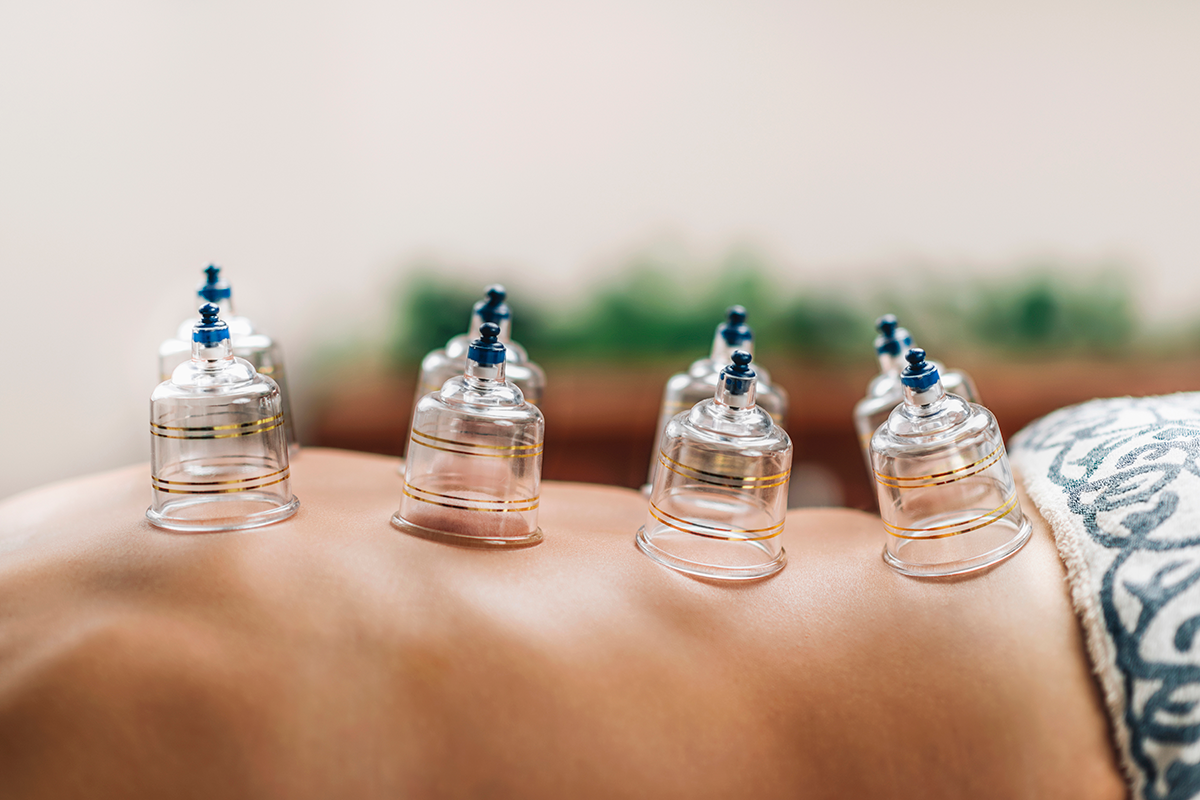
An ancient healing practice that involves creating suction on specific areas of the body using cups. This technique stimulates blood flow, promotes healing, and provides various therapeutic benefits.
Hijama is an ancient traditional medicinal practice that has been used for centuries in different cultures
Hijama therapy enhances blood circulation, stimulates the immune system, and provides relief from various conditions including chronic pain, migraines, and inflammatory disorders.
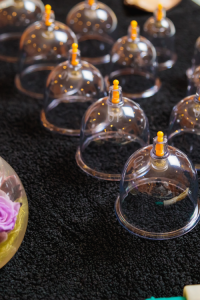
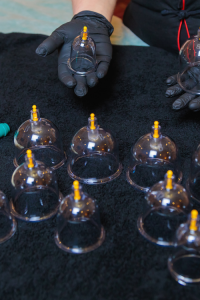
Hijama, also known as wet cupping therapy or blood cupping, is a traditional healing practice that dates back thousands of years. This time-tested therapeutic method has roots in Islamic medicine, and has been practiced by many ancient civilizations, including Chinese, Egyptian, and Greek societies.
At its core, hijama works through a fascinating process that combines the principles of suction and controlled bleeding. When cups are applied to specific points on the body, they create a vacuum effect that draws blood to the surface. Small, superficial incisions are then made, allowing for the removal of what practitioners consider “stagnant blood” or toxins from the body.
Hijama can stimulate several biological responses:
Historically, hijama has been used to address a wide range of health conditions. Traditional Islamic medicine suggests specific days of the lunar month as optimal times for treatment, highlighting the practice’s deep cultural and spiritual significance.
In modern contexts, people seek hijama treatment for various conditions:
First, your practitioner will identify the appropriate treatment points on your body, often corresponding to areas of pain or specific Sunnah points recognised in traditional medicine. They will then apply sterilised cups to these areas, creating a gentle vacuum effect that draws the skin upward.
After several minutes, the cups are removed, and the practitioner makes tiny, controlled incisions in the skin. Hijama cups are then reapplied to draw out small amounts of blood. The entire process typically takes 30-45 minutes and is performed under strict hygienic conditions.
While hijama has been practiced for centuries, modern scientific research continues to explore its potential benefits. Recent studies have investigated its effects on various conditions, from musculoskeletal pain to chronic diseases. As with many traditional practices, research is ongoing to understand the full scope of its therapeutic potential.